- Home/
- Buy Furosemide Online in the United States – Fast and Easy Ordering
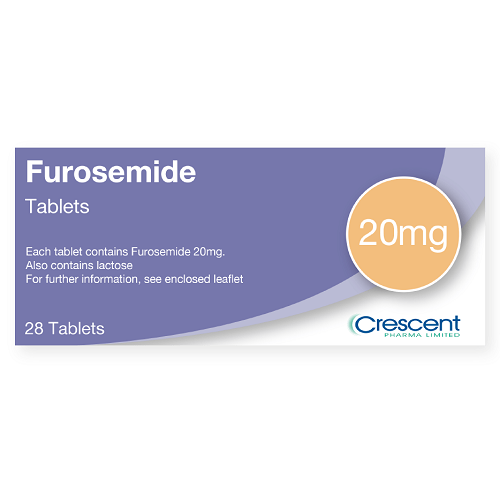
Furosemide is a prescription medication used in the United States to treat swelling (edema) due to heart failure, kidney disease, and certain liver conditions. It works by helping your body remove excess fluid—fast. But before you start, know this: the way Furosemide is prescribed, monitored, and experienced varies dramatically from one patient to the next, and getting it right requires attention to detail that generic advice can’t deliver.
Furosemide in Real Life: Why Patients End Up Here
It starts with swelling—maybe in your ankles, maybe around your abdomen. It’s easy to dismiss at first. Then one day the shoes don’t fit, your rings are tight, and the scale creeps up for no obvious reason. A doctor mentions the word “edema,” and suddenly, your body doesn’t feel like your own anymore. That’s when Furosemide typically enters the picture in the United States.
Most patients aren’t looking for a chemistry lesson. They want relief—something that works when water pills and lifestyle changes haven’t. Furosemide is often the diuretic your doctor chooses when the stakes are high and time matters. But what makes this medication so different from the rest, and why is it sometimes both a first-choice and a fallback?
- Speed: Furosemide can trigger noticeable fluid loss within hours, sometimes even less. That’s good for breathing, uncomfortable swelling, and blood pressure—but it can also cause problems if not carefully managed.
- Unpredictability: Some patients shed several pounds in days. Others see little change, or lose so much salt and potassium that side effects become urgent. No two people respond in exactly the same way.
- Monitoring: Unlike “gentle” diuretics (water pills) you see in drugstore ads, Furosemide almost always requires lab tests and follow-up. Skipping these steps is where most problems arise.
Quick insight: Furosemide is the diuretic most likely to be started in a medical setting, not just at home. That alone changes the way doctors prescribe, monitor, and adjust it.
How Furosemide Acts Differently Than Other Edema Treatments
Most patients expect all “water pills” to work the same way. Furosemide does not play by those rules. It belongs to a class called loop diuretics—medications that flush out large amounts of salt and water by acting on the kidney’s most powerful filtration segment.
- Loop vs. Thiazide Diuretics
- Thiazide diuretics (like hydrochlorothiazide) are common for blood pressure and mild swelling. They act gently, steadily, but can plateau in effectiveness. Furosemide, as a loop diuretic, is designed for rapid, large-volume fluid removal. It’s what doctors reach for when heart, kidney, or liver function create serious backup in fluid circulation.
- Furosemide’s Onset
- Oral Furosemide often begins working within 30–60 minutes. The intravenous version, used in hospitals, can work in as little as five minutes—an advantage in emergencies.
- Duration
- Furosemide’s effects last about 6–8 hours after a single oral dose. That window is short, which means the timing of each dose can dramatically affect daily life—especially if bathrooms aren’t always nearby.
In short: Furosemide is the “heavy lifter” of edema treatment in the United States, reserved for when swelling is stubborn or dangerous, and time is a factor.
Furosemide vs. Alternatives: Comparison Table for Patient Decisions
| Medication | Approved Uses | How Fast It Works | Typical Side Effects | Effectiveness in Severe Edema | Prescription Required? | Monitoring Needed? | Cost/Insurance Coverage (US) |
|---|---|---|---|---|---|---|---|
| Furosemide (Lasix, generics) | Edema from heart failure, kidney, or liver disease; hypertension | 30–60 min (oral); 5 min (IV) | Frequent urination, dehydration, low potassium/sodium, dizziness | Very effective—often first-line for severe or rapid fluid overload | Yes | Yes (labs, blood pressure, electrolytes) | Low for generics; widely covered by insurance |
| Hydrochlorothiazide | Mild edema, hypertension | 2 hours (oral) | Low potassium, mild urination, rarely dehydration | Less effective for major swelling | Yes | Yes (less frequent labs) | Very low for generics; broad coverage |
| Spironolactone | Edema (especially in liver disease), heart failure, hypertension | 2–4 days for full effect | High potassium, breast tenderness, irregular periods | Depends on cause; not for emergency fluid removal | Yes | Yes (potassium, kidney function) | Low/moderate for generics; usually covered |
Furosemide stands apart for its rapid onset and sheer power—traits that matter when fluid overload is more than a nuisance. Unlike alternatives, it requires close lab monitoring to avoid sudden drops in blood pressure, sodium, or potassium. Insurance rarely blocks access to generic Furosemide in the United States, and most pharmacies stock it in multiple strengths.
What to Expect in the First Week on Furosemide
Most patients are surprised by how quickly Furosemide works—sometimes within hours of the first dose. The scale may drop. Ankles shrink. But this rapid improvement comes with trade-offs.
- Frequent Bathroom Trips: Be ready for more urination, often urgently, especially in the first few days. Planning your schedule around doses is not just advice—it’s survival.
- Feeling “Drained”: Alongside fluid, Furosemide removes sodium, potassium, and sometimes magnesium. Some people feel lightheaded, tired, or even faint if too much is lost too quickly.
- Monitoring is Not Optional: U.S. guidelines recommend checking electrolytes and kidney function before starting, then again within the first week. Skipping this is the biggest risk for new users.
- Variable Response: Not everyone loses the same amount of fluid. Swelling may persist, or weight loss may stall despite perfect adherence. This is usually a reason to revisit the dose or check for missed causes—not a reason to give up.
Section Recap
The first week with Furosemide can be a balancing act—getting relief from swelling while keeping blood salts and kidney function in a safe range. Expect rapid changes and close follow-up.
Taking Furosemide Correctly: Dosing, Timing, and Real-Life Tips
Dosing matters—and not just the number of milligrams. When you take Furosemide, what you eat and drink, and how consistently you follow the routine play huge roles in whether the medication helps or harms.
| Condition | Typical Starting Dose (Oral) | Maximum Daily Dose | Special Considerations |
|---|---|---|---|
| Edema (general) | 20–40 mg once or twice daily | 600 mg (rare) | Start low; titrate up; adjust for kidney function |
| Heart failure | 20–80 mg once or twice daily | As above | Frequent monitoring, especially early on |
| Kidney disease | 40–80 mg once or twice daily | May require higher doses | Monitor kidney labs closely |
| Liver disease (ascites) | 40 mg once daily (paired with spironolactone) | Usually not to exceed 160 mg daily | Always combine with potassium-sparing diuretic |
Key takeaways: Furosemide dosing is rarely “one size fits all.” Many patients start on a low dose and ramp up as needed. If you miss a dose, don’t double up. If you forget for a full day or more, contact your prescriber for instructions.
- Stick to a consistent schedule; variable dosing can make you feel worse, not better.
- Keep a log of weight and swelling—daily at first. Sudden changes should be communicated to your healthcare team.
- Ask your provider how to handle days when your appetite, fluid intake, or activities are unusual (travel, illness, etc.).
Which Side Effects Matter Most with Furosemide—and When to Act
Every medication has side effects, but Furosemide’s most serious risks come not from the drug itself but from the way it can shift the body’s fluid and salt balance. Most patients will urinate more. Some will feel dizzy. A few will develop symptoms that demand immediate medical attention.
- Dehydration: More than just dry mouth—watch for lightheadedness, low urine output, confusion, or rapid heartbeat.
- Low Potassium (Hypokalemia): Muscle cramps, unusual fatigue, heart palpitations, or even changes on an EKG are possible.
- Low Sodium (Hyponatremia): Headache, confusion, mood changes, or seizures if severe.
- Hearing Changes (Rare): Large or rapid doses, especially IV, have been linked to reversible hearing loss.
- Allergic Reactions: Rash, itching, or swelling (especially of the face/tongue/throat) demand immediate attention.
“What we see most often isn’t a dangerous side effect out of nowhere—it’s a creeping change in energy, appetite, or mental clarity. These are early warning signs that patients ignore because they expect to feel better, not worse. If you’re not sure a symptom is related, ask. Most side effects are manageable if caught early.”
Safety Summary Table: Furosemide Side Effects & When to Call Your Doctor
| Side Effect | How Common? | When to Contact a Doctor |
|---|---|---|
| Frequent urination | Very common | If unable to control, or if causing accidents/falls |
| Dizziness, lightheadedness | Common | If severe, persistent, or associated with fainting |
| Low potassium (hypokalemia) | Common | If muscle cramps, weakness, or palpitations develop |
| Low sodium (hyponatremia) | Less common | If confusion, headache, or seizures occur |
| Dehydration | Common if fluids not replaced | If very thirsty, dry mouth, confusion, or low urine output |
| Hearing loss/tinnitus | Rare | At any sign of hearing change or ringing in ears |
| Rash, swelling, allergy | Rare | Immediately—emergency evaluation |
Most side effects can be anticipated and are reversible if caught early. A conversation with your healthcare provider is rarely wasted—especially if something feels “off.”
When Not to Take Furosemide: Critical Warnings and Relativity
- Allergy to Furosemide or sulfonamide-type drugs
- Anuria—no urine output at all (usually signals severe kidney injury)
- Severe electrolyte depletion (e.g., very low potassium or sodium)
Relative Contraindications:
- Gout: Furosemide can raise uric acid levels, triggering attacks.
- Severe liver disease: Risk of worsening confusion or electrolyte imbalance.
- Pregnancy/Breastfeeding: Should not be used unless benefits clearly outweigh risks, and only under specialist supervision.
- Hearing problems: Previous hearing changes with diuretics require caution.
If any of these conditions apply, discuss alternatives with your healthcare provider before starting Furosemide. Never self-initiate or alter your dose without medical advice.
Accessing Furosemide in the United States
In the United States, Furosemide is only available with a prescription. Whether you see a primary care doctor, a cardiologist, or a nephrologist, any licensed prescriber can order it if your clinical scenario fits.
- Pharmacy Pickup: Nearly every retail pharmacy stocks generic Furosemide in common strengths (20 mg, 40 mg, 80 mg). Brand-name Lasix is also available, though rarely prescribed due to cost.
- Insurance Coverage: Generic Furosemide is widely covered by Medicare, Medicaid, and most private insurance plans. Out-of-pocket costs are usually low, but confirm with your insurer if you have a high-deductible plan.
- Mail Order: Many U.S. pharmacies offer home delivery by mail. This is especially useful for patients with limited mobility or in rural areas.
- Refills: Frequent follow-up is standard, so don’t be surprised if your prescriber authorizes only a limited supply until stability is proven.
- State and Federal Oversight: The U.S. Food and Drug Administration (FDA) regulates Furosemide, so all legitimate pharmacies dispense medication meeting national quality standards.
If you can’t afford your prescription, discuss alternatives or patient assistance programs with your provider or pharmacist. No patient should go without edema treatment due to cost.
Furosemide in Context: What Sets it Apart in Edema Treatment
Furosemide’s place in edema treatment is unique—not because it’s the newest or the most side-effect free, but because it’s the “fixer” when other approaches fall short. Its speed and potency are both an asset and a liability. That shapes everything from monitoring to insurance coverage.
- First-line in Severe Swelling: Furosemide is the go-to for emergency fluid removal—think new heart failure, kidney flare-ups, or rapid abdominal swelling.
- Hospital and Home: The same drug is used both in hospitals and outpatient clinics, but the dose, monitoring, and urgency can differ dramatically.
- “Step Up” Strategy: Many patients try other diuretics first. When those plateau, Furosemide is added or replaces them entirely.
- Monitoring Culture: No other edema drug in the U.S. demands as much lab surveillance in the first month. That’s not a flaw—it’s why serious side effects are rare when used as intended.
- Patient Experience: Furosemide is not subtle. The first few days can require bathroom proximity, and diet may need tweaks to keep up with potassium loss. These realities are not “optional extras”—they shape how you live with the drug.
Section Recap
Furosemide stands out for its rapid action and the need for hands-on monitoring. With the right follow-up, it’s a lifesaver. Used casually or without lab checks, it’s a risk. That tension defines its use across the United States.
FAQ: Furosemide Questions You Can’t Ignore
- Can I take Furosemide for minor ankle swelling or weight gain?
- No. Furosemide is intended for clinically significant edema—swelling tied to heart, kidney, or liver issues. Using it for minor puffiness can cause more harm than good and is not recommended without a doctor’s evaluation.
- How long do I need to stay on Furosemide?
- Duration varies. Some people need it for weeks after a hospital stay, others will take it for years to manage chronic heart or kidney conditions. Your doctor will tailor the plan and may attempt to lower the dose or stop it if swelling improves or the underlying disease is controlled.
- Can I drink alcohol while on Furosemide?
- Moderate alcohol intake is not strictly prohibited, but alcohol can worsen dehydration and dizziness. If you experience either, it’s best to avoid alcohol until your response to Furosemide is stable.
- What foods should I eat (or avoid) while taking Furosemide?
- Focus on foods rich in potassium—bananas, oranges, spinach, and potatoes—unless your doctor advises otherwise. Some people need potassium supplements. Avoid excess salt, as it can counteract the medication’s effect.
- Is it safe to use Furosemide with other medications?
- Many drugs interact with Furosemide—blood pressure pills, NSAIDs (like ibuprofen), and certain antibiotics. Always review your medication list with your provider and pharmacist to avoid dangerous interactions.
- Can I travel while taking Furosemide?
- Yes, but plan ahead. Time your doses around bathroom access, carry extra medication, and track your weight and symptoms daily while away from home.
- Why does my doctor keep checking my blood and urine?
- Frequent lab checks are the safest way to catch early signs of electrolyte imbalance, dehydration, or kidney stress. These checks are not just routine—they’re key to preventing serious side effects.
- Is brand-name Lasix better than generic Furosemide?
- For nearly all patients in the United States, generic Furosemide is equally effective and far less expensive. There may be rare exceptions for those with unusual sensitivities to formulation ingredients.
Sources / References
- U.S. Food and Drug Administration (FDA)
- American Heart Association. “Managing Edema with Diuretics,” 2023
- Mayo Clinic – Edema Overview
- American College of Cardiology. “2022 Guidelines for the Management of Heart Failure”
- PubMed Database
- Furosemide Prescribing Information, Official Manufacturer, 2023
- National Kidney Foundation
- American Society of Nephrology. “Diuretic Use in Chronic Kidney Disease,” 2022