- Home/
- Buy Ivermectin Online in the United States – Fast Shipping Available
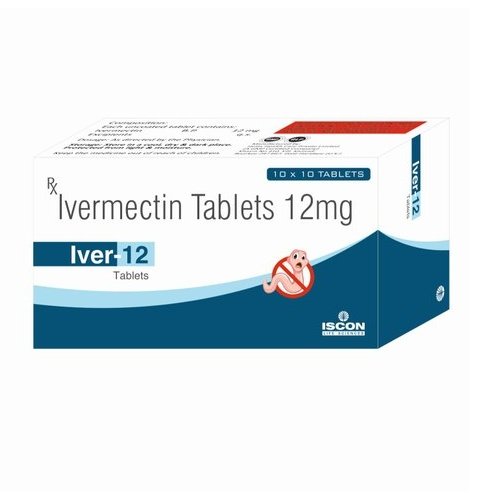
Can Ivermectin Be Obtained Without a Prescription in the United States?
No, Ivermectin requires a valid prescription in the United States and cannot be legally purchased without a doctor’s authorization. The U.S. Food and Drug Administration (FDA) mandates that Ivermectin, regardless of intended use in humans, is dispensed only via prescription from a licensed healthcare provider.
Summary: Key Facts About Ivermectin
- Active Ingredient: Ivermectin
- Category: Antiparasitic medication
- Prescription Status: Prescription required in all U.S. states
- Main Uses: Treatment of approved parasitic infections (e.g., strongyloidiasis, onchocerciasis, scabies, lice)
- Common Dosage Forms: Oral tablets (most common for humans); topical creams/lotions for skin infections
- Contraindications: Children under 15kg, known hypersensitivity, certain neurological disorders
- Regulatory Authority: U.S. Food and Drug Administration (FDA)
- Availability: Only through licensed U.S. pharmacies with a valid prescription
How Does Ivermectin Work? Pharmacology & Mechanism of Action
In short: Ivermectin targets the nervous system of parasites, paralyzing and killing them—without directly affecting human nerve cells at standard doses.
Scientific details: Ivermectin binds with high affinity to glutamate-gated chloride ion channels, which are present in invertebrate nerve and muscle cells. This binding increases the permeability of cell membranes to chloride ions, causing hyperpolarization of the cell, paralysis, and subsequent death of the parasite. These chloride channels are not present in mammals, making Ivermectin selectively toxic to parasites (Ref: PubMed 36183758).
Metaphor: “Think of Ivermectin as locking the doors to a parasite’s nerve center, flipping off the power, and leaving them unable to move or survive.”
Clinical effectiveness: When used as directed for FDA-approved parasitic diseases, Ivermectin demonstrates high cure rates and is well tolerated in the majority of patients (Ref: FDA Ivermectin Q&A).
Note: Ivermectin is not an antiviral and is not approved or recommended by the FDA for the treatment or prevention of COVID-19 or other viral illnesses.
How Should Ivermectin Be Taken? Dosage and Administration
- Standard Dosage for Adults (Oral Tablet):
-
- Strongyloidiasis: Single dose of 200 mcg per kg body weight, taken with water on an empty stomach
- Onchocerciasis: Single dose of 150 mcg per kg body weight, may be repeated every 6 or 12 months as directed
- Scabies: Dosage and frequency based on severity and body weight; sometimes repeated after 1-2 weeks
- Other indications: Always follow prescriber’s directions
- Tablet Splitting:
- Most oral tablets are not scored—do not split unless your pharmacist confirms it is safe with the exact product prescribed.
- Maximum Dose:
- Do not exceed 400 mcg per kg in a single dose or repeat more than prescribed. Overdose is associated with serious neurological side effects.
- Timing of Effect:
- Cure rates are typically assessed 1-2 weeks after a single dose. Symptom improvement for skin or gastrointestinal infections is commonly visible within a few days.
- Special Populations:
-
- Elderly: Dose adjustment may be needed if liver or kidney function is impaired.
- Children: Not for children under 15kg or under 5 years old.
Always take Ivermectin as prescribed by your doctor, and do not self-adjust your dose.
Interactions With Food, Alcohol, and Lifestyle
| Factor | Impact | Advice |
|---|---|---|
| Food (Fatty meals) | Increases absorption | Take on an empty stomach, at least 1 hour before or 2 hours after a meal, for consistent dosing |
| Alcohol | Possible increased risk of side effects | Best avoided while taking Ivermectin |
| Grapefruit juice | May increase Ivermectin blood levels | Avoid during treatment |
| Driving/machinery | Rare dizziness, drowsiness | Use caution until you know how it affects you |
Bottom line: For optimal results and safety, stick to a consistent schedule, avoid alcohol and grapefruit, and ask your pharmacist about additional restrictions.
Who Should Not Take Ivermectin? Contraindications & Warnings
- Absolute Contraindications
-
- Known hypersensitivity (allergy) to Ivermectin or any tablet excipients
- Children weighing less than 15kg (33lb)
- Severe liver dysfunction (Child-Pugh C)
- Meningitis or other acute central nervous system infections
- Relative Contraindications (Use only if benefits outweigh risks)
-
- Pregnancy (especially first trimester) – consult your doctor
- Breastfeeding – minimal drug transfer to milk, but discuss with pediatrician
- Mild or moderate liver impairment
- Immunocompromised patients – higher risk of adverse events
- History of Loa loa infection (risk of severe reactions)
- Cardiovascular Risks
-
- Rare cases of orthostatic hypotension (low blood pressure on standing)
- No known direct interaction with nitrates or PDE-5 inhibitors
- Other Medications
- Some medicines (e.g., warfarin, certain anticonvulsants) may require dose adjustment or close monitoring; always disclose your medication list to your doctor.
Important explanation: Ivermectin crosses the blood-brain barrier only at high doses or when this barrier is impaired. Avoid use in neurological diseases where risk of encephalopathy is increased.
What Side Effects Are Most Common With Ivermectin?
- Very Common (>1 in 10)
-
- Itching, rash (especially in skin infections like scabies)
- Abdominal pain, diarrhea
- Common (1 in 100 to 1 in 10)
-
- Headache, dizziness
- Fever, muscle aches
- Swelling or tenderness of lymph nodes
- Uncommon / Rare
-
- Low blood pressure (orthostatic hypotension)
- Visual disturbances
- Seizures (mainly with overdose or preexisting CNS conditions)
- Severe skin reactions (Stevens-Johnson syndrome – extremely rare)
- What to Do if Side Effects Occur?
-
- Mild effects (e.g., mild rash, slight GI upset): Usually resolve without intervention—report to your prescriber if persistent or worsening.
- Serious effects (e.g., seizures, severe skin reaction, confusion, difficulty breathing): Stop taking Ivermectin and seek emergency care immediately.
Mechanism note: Some side effects (especially after treatment for onchocerciasis) result from the body’s immune response to dying parasites, not from the drug itself.
How Does Ivermectin Compare to Alternatives?
| Parameter | Ivermectin | Albendazole | Mebendazole |
|---|---|---|---|
| Prescription status | Required | Required | Required |
| FDA-approved indications | Strongyloidiasis, onchocerciasis, scabies, lice | Neurocysticercosis, hydatid disease, others | Pinworm, whipworm, roundworm |
| Onset of effect | 1–2 days for symptom improvement | 1–3 days | 1–3 days |
| Cost per treatment (2026 est.) | $20–$60 (varies by insurance) | $30–$80 | $15–$40 |
| Side effect profile | Generally mild, occasional neurotoxicity | Potential liver toxicity, GI upset | Mainly GI, rare allergic reactions |
Bottom line: Ivermectin is typically chosen for specific FDA-approved parasitic infections where it outperforms other agents. For different types of parasites, your doctor may recommend Albendazole or Mebendazole instead. Insurance coverage and regional practice guidelines may influence the choice.
Key Characteristics of Ivermectin: Table Overview
| Parameter | Value |
|---|---|
| Active Ingredient | Ivermectin |
| Tablet Strengths Available | 3 mg (most common), 6 mg, 12 mg |
| Typical Dosage Range | 150–200 mcg/kg (single dose) |
| Half-life in Plasma | ~12–36 hours |
| Time to Peak Concentration | ~4 hours (empty stomach) |
| Metabolism | Liver (CYP3A4 enzyme) |
| Excretion | Primarily fecal |
| FDA Approval Status | Approved for select parasitic infections |
| Prescription Required? | Yes, in all U.S. states |
How to Obtain Ivermectin Legally in the United States: Step-by-Step Guide
- Consult a Licensed Healthcare Provider.
- Schedule an appointment with your primary care physician, infectious disease specialist, or dermatology expert. Telehealth and virtual consults are widely available for initial assessment.
- Medical Evaluation.
- Your provider will review your symptoms, medical history, and any recent travel to endemic areas.
- Laboratory tests or diagnostic confirmation may be required before prescribing Ivermectin.
- Prescription Issuance.
- If appropriate, your doctor will provide a prescription for Ivermectin, specifying the required dose and instructions for use.
- Fill Your Prescription at a Licensed Pharmacy.
- Use a brick-and-mortar pharmacy (e.g., CVS, Walgreens, Rite Aid) or a state-verified online pharmacy. Avoid websites that offer Ivermectin without a prescription.
- Verify Authenticity and Follow Dosage Instructions.
- Check the packaging and labeling for legitimacy (see next section).
- Take the medicine exactly as directed and report any side effects promptly.
Insurance Coverage: Most insurers will cover Ivermectin only for FDA-approved indications; out-of-pocket costs vary by plan and region.
How to Identify Genuine Ivermectin and Avoid Counterfeits
Why this matters: The U.S. FDA and CDC warn that illegal online sources may offer counterfeit, substandard, or contaminated products. These can be ineffective or dangerous.
- How to check:
-
- Genuine U.S. Ivermectin comes in manufacturer-labeled blister packs or bottles with:
- Clear lot number, expiration date, and NDC (National Drug Code)
- FDA-approved labeling (not foreign import or veterinary)
- Original packaging, no spelling errors or blurry print
- Some brands use hologram stickers or QR codes for verification
- Unusually low price or lack of prescription requirement is a major warning sign
- Genuine U.S. Ivermectin comes in manufacturer-labeled blister packs or bottles with:
- Generics vs Brand:
-
- FDA-approved generics must meet the same quality, safety, and efficacy standards as the original brand (Stromectol)
- Generics may differ in shape, color, or inactive ingredients—rarely, these excipients can cause allergic reactions
- Ask your pharmacist if you have concerns about switching brands
If in doubt, consult your pharmacist or report suspicious products via the FDA’s MedWatch program: FDA MedWatch
Compatibility of Ivermectin With Other Medications: Quick Reference Table
| Medication/Product | Can It Be Combined? | Possible Consequences |
|---|---|---|
| Acetaminophen (Tylenol) | Yes | No significant interaction |
| Aspirin | Yes | No significant interaction |
| Warfarin | Caution | Monitor INR, possible increased anticoagulant effect |
| Carbamazepine/Phenytoin | Caution | May decrease Ivermectin levels |
| Ketoconazole | Avoid if possible | May increase Ivermectin blood levels |
| Alcohol | Best avoided | May worsen CNS side effects |
| Grapefruit juice | Avoid | Increases drug concentration |
Special Considerations for Specific Patient Groups
- Elderly patients: No specific adjustment unless significant liver disease is present, but monitor for CNS side effects.
- Pregnant women: Not routinely recommended, especially in first trimester. Use only if benefit clearly outweighs risk.
- Breastfeeding: Very low levels detected in breastmilk; discuss with your doctor.
- People with liver impairment: Use with caution. Lower or less frequent dosing may be appropriate.
- Neurological disorders: Not recommended if there’s a history of meningitis, encephalopathy, or other CNS pathology.
- Driving and operating machinery: Rare drowsiness or dizziness may occur. Use caution until you know your response.
- Fertility and family planning: No known effect on fertility at standard doses.
What Should I Do If I Take Too Much Ivermectin?
- Stop taking Ivermectin immediately.
- Contact Poison Control (1-800-222-1222) or call 911 if you experience severe symptoms such as confusion, seizures, difficulty breathing, or loss of consciousness.
- Inform medical professionals of the exact dose taken and the timing.
- Do not attempt to induce vomiting unless instructed by a healthcare professional.
Note: There is no specific antidote for Ivermectin overdose. Treatment is supportive and symptomatic.
Myth vs Reality: Fast Facts About Ivermectin
- Myth: Ivermectin is a cure-all for viral illnesses (including COVID-19).
Reality: The FDA and CDC do not approve Ivermectin for prevention or treatment of COVID-19. No large, high-quality clinical trials support such use. - Myth: Higher doses are more effective.
Reality: Exceeding recommended doses increases the risk of serious side effects, including neurological complications, without added benefit. - Myth: All Ivermectin products are safe.
Reality: Veterinary or foreign products may be dangerous or not equivalent to FDA-approved human formulations.
What Should I Do if Ivermectin Does Not Work?
If symptoms persist or worsen after completing an Ivermectin regimen:
- Contact your healthcare provider for reassessment. Repeat dosing or alternative therapy may be required based on the type of infection and clinical response.
- Laboratory retesting may be necessary. Some parasites require combination or second-line medications.
- Do not increase the dose or self-medicate. Resistance is rare, but possible in some parasites—let your doctor decide the next steps.
Acknowledging the Human Side: Psychological Support & Next Steps
Parasitic infections can be frustrating, stressful, and even embarrassing—but you’re not alone. These conditions are common, treatable, and nothing to be ashamed of.
If you’re feeling overwhelmed, consider reaching out to your primary care provider or a support group in your area. Open communication with family and partners can help reduce anxiety and stigma.
Frequently Asked Questions (FAQ)
- Is Ivermectin covered by insurance in the United States?
- Most health insurance plans cover Ivermectin when prescribed for FDA-approved uses, but coverage varies. Check with your insurer for copay details.
- Can I use Ivermectin daily?
- No. Ivermectin is not intended for daily use—follow your doctor’s instructions for frequency and duration.
- Are there legitimate online pharmacies where I can get Ivermectin?
- Yes, but only those that require a prescription and are certified by U.S. pharmacy boards. Look for the NABP “VIPPS” or “Safe Pharmacy” seal.
- Is it safe to use veterinary Ivermectin products?
- No. Veterinary products are not tested or approved for human use and may contain different concentrations or harmful additives.
- Can Ivermectin be used during pregnancy?
- Generally not recommended, especially in the first trimester. Discuss risks and benefits with your obstetrician.
- What should I do if I miss a dose?
- Take it as soon as you remember, but skip if it’s nearly time for your next dose. Do not double up without medical advice.
- How do I know if my Ivermectin is real?
- Check for FDA-approved packaging, clear labeling, and buy only from licensed U.S. pharmacies. If unsure, consult your pharmacist.
- Are there alternatives if I’m allergic to Ivermectin?
- Yes, several other antiparasitic medications are available. Your doctor can recommend an appropriate alternative based on your condition.
References
- U.S. Food and Drug Administration. Ivermectin (COVID-19) Q&A. Accessed June 2026. https://www.fda.gov/drugs/postmarket-drug-safety-information-patients-and-providers/ivermectin-covid-19-qa
- Merck & Co. Stromectol (Ivermectin) Prescribing Information. Revised 2025. Stromectol PI
- Centers for Disease Control and Prevention. Ivermectin Information for Clinicians. Accessed June 2026. CDC Ivermectin Factsheet
- Gonzalez Canga A, Sahagun Prieto AM, Diez Liebana MJ et al. The Pharmacokinetics and Interactions of Ivermectin in Humans. The Open Antimicrobial Agents Journal. 2008;1:12-20. PubMed 20302534
- FDA MedWatch Adverse Event Reporting. Accessed June 2026. FDA MedWatch
- Boussinesq M, Gardon J, Gardon-Wendel N, Chippaux JP. Clinical Picture, Epidemiology, and Outcome of Loa loa-Related Adverse Events Associated With Ivermectin Treatment. Curr Opin Infect Dis. 2003;16(5):409-415. PubMed 14501993
- U.S. National Library of Medicine. DailyMed: Ivermectin. Accessed June 2026. DailyMed Ivermectin