- Home/
- Buy Neurontin Without Prescription Online in the United States
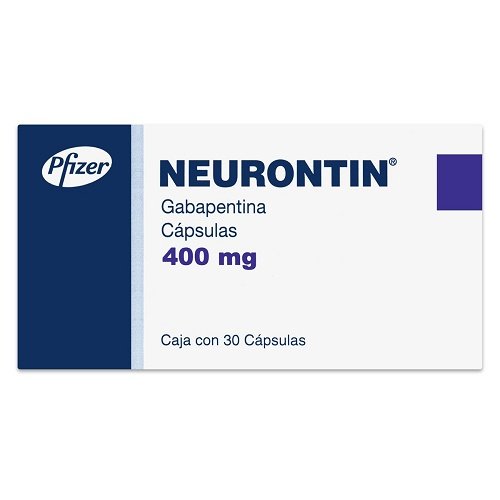
Neurontin in US Pain Care: Everyday Realities
For most adults experiencing neuropathic pain, the journey starts with a question that’s rarely asked out loud: “Is anyone ever really comfortable on this medication?” You might have heard about Neurontin from someone living with diabetes, shingles, or a back injury. Maybe your doctor mentioned it after other painkillers and over-the-counter remedies failed to touch your discomfort. In the United States, Neurontin is prescribed for a specific kind of pain—burning, tingling, stabbing, almost electric. The kind that doesn’t respond to Tylenol or ibuprofen because it’s coming from damaged or misfiring nerves, not inflamed tissue or muscle.
Here’s what sets Neurontin apart in American pain care: it’s not a narcotic, it doesn’t cause euphoria or the rapid tolerance seen with opioids, and it’s covered by most insurance plans when used for FDA-approved indications like postherpetic neuralgia (the lingering pain after shingles) or seizures. But real-world use often stretches beyond those narrow labels. Doctors—especially pain specialists and neurologists—prescribe Neurontin “off-label” for neuropathy from diabetes, spinal injuries, multiple sclerosis, even for some types of chronic migraine. This is legal, common, and shaped by evolving clinical evidence, even if the FDA hasn’t officially stamped these uses.
Nearly 1 in 4 prescriptions for Neurontin in the US are for pain conditions that aren’t formally FDA-approved, reflecting the gap between clinical guidelines and everyday practice. (FDA)
That gap matters for patients. Insurance coverage may be less predictable for off-label uses, and your doctor might need to document why Neurontin is being tried. In most states, Neurontin itself is not a controlled substance, but some states (like Kentucky and West Virginia) have added their own restrictions because of concerns about misuse. Most patients, though, get it with a regular prescription filled at any retail pharmacy.
So if you’re considering Neurontin, you’re joining a very American conversation about what counts as “real” pain, how we treat it, and which treatments are worth the wait. Every week in US clinics, the negotiation between relief and side effects, hope and frustration, plays out anew. The result? Neurontin is often neither a miracle nor a disappointment—it’s a tool, imperfect but sometimes indispensable, in the long management of neuropathic pain.
How Neurontin Really Works Against Nerve Pain
Imagine nerve pain as a faulty electrical system in your house. Wires that once carried clear, steady signals now misfire, sending pain signals when there’s no injury. Neurontin (gabapentin) doesn’t “block” pain in the way you might expect. Instead, it calms the overactive nerves, reducing the misfiring that causes those burning, tingling, or shooting sensations in neuropathic pain.
On a chemical level, gabapentin attaches to calcium channels in nerve cells. By doing so, it dampens the release of certain neurotransmitters—chemicals that pass signals between nerves. This mechanism is unique enough that gabapentin doesn’t work like anti-inflammatories, opioids, or standard painkillers. It doesn’t treat “all” pain—muscle aches or headaches usually don’t respond, but pain from nerve damage, such as diabetic neuropathy or postherpetic neuralgia, is where gabapentin shows its value.
- Neuropathic Pain
- Pain caused by nerve injury or dysfunction, often described as burning, tingling, numbness, or shooting.
- Gabapentin
- The active ingredient in Neurontin, originally developed for seizures but now widely used for certain pain conditions.
- Calcium Channels
- Pathways in nerve cells that gabapentin binds to, reducing excessive nerve activity.
Effectiveness isn’t immediate. Most patients notice mild improvement within the first two weeks, but full benefit may take up to two months of careful dose adjustments. About half of people prescribed Neurontin for neuropathic pain in US studies see meaningful pain reduction, while others gain only partial relief or none at all (Mayo Clinic). That unpredictable response is a core reality—and why your doctor will often suggest a trial period, followed by a frank conversation about what’s changed.
Taking Neurontin: What to Expect Week by Week
The first week with Neurontin rarely brings immediate relief. What you’re more likely to notice are side effects—drowsiness, dizziness, maybe a little foggy thinking. Many patients ask: “Is this normal, or is something wrong?” The answer often depends on how quickly your dose was increased, and how your own body responds. The standard practice in US clinics is to start low and increase gradually, usually over days to weeks, to minimize unpleasant symptoms.
| Patient Group | Starting Dose | Titration Approach | Target Range |
|---|---|---|---|
| Adults (18–64) | 100–300 mg at bedtime | Increase by 100–300 mg/day every 3–7 days | 900–1800 mg/day (split 2–3 doses) |
| Older Adults (>65) | 100 mg at bedtime | Increase more slowly; watch for sedation/falls | Typically 900–1200 mg/day |
| Impaired Kidney Function | Lower dose required | Adjust based on kidney labs; titrate slowly | Range varies (consult prescribing info) |
Most patients will not start—and should not start—at the target dose. If your doctor prescribes a higher dose immediately, ask why. Going slow helps reduce side effects and gives your nerves time to adapt. Some will reach a stable dose in a week; others may need two or three weeks, or more, to find the balance between pain control and tolerability.
- Days 1–7: Drowsiness and dizziness are most common. Some patients feel “out of it”—rarely, severe confusion may occur, especially in older adults.
- Week 2: If your dose is still increasing, side effects may ebb and flow. Some pain relief may begin, but full effect is still weeks away for many.
- Weeks 3–4: The body adapts—side effects often lessen, and you can judge whether pain relief is meaningful. This is the typical point for your first “Is this working?” check-in with your doctor.
- After 1 Month: If you have not experienced significant benefit, your doctor may consider a dose adjustment, switching to another medication, or adding a complementary therapy.
Missing a dose is not usually dangerous, but skipping multiple doses can trigger withdrawal symptoms or a return of pain. Always ask your doctor how to handle missed doses.
Neurontin vs. Other Options: The Practical Comparison
| Attribute | Neurontin (Gabapentin) | Lyrica (Pregabalin) | Duloxetine (Cymbalta) |
|---|---|---|---|
| Approved Uses (US) | Postherpetic neuralgia, seizures; often used off-label for diabetic neuropathy | Fibromyalgia, diabetic neuropathy, postherpetic neuralgia, seizures | Diabetic neuropathy, fibromyalgia, depression, anxiety |
| Mechanism | Calms overactive nerves via calcium channels | Similar to gabapentin, but can act faster | Boosts serotonin & norepinephrine—modulates pain pathways |
| Typical Onset | 1–4 weeks for noticeable effect | 1–2 weeks (may feel sooner) | 1–2 weeks for pain; mood effect can take longer |
| Common Side Effects | Drowsiness, dizziness, swelling | Drowsiness, dizziness, weight gain, swelling | Nausea, dry mouth, sweating, sleep changes |
| Withdrawal Risk | Yes—taper needed | Yes—taper needed | Yes—taper needed |
| Typical Cost (Generic, US) | Low: often $5–$20/month with insurance, $20–$40 cash | Moderate: $10–$40/month with insurance, higher cash | Moderate: $15–$40/month with insurance |
| Controlled Status (US) | Not federally controlled (state restrictions apply in some areas) | Schedule V controlled substance | Not controlled |
| Monitoring | Monitor for sedation, kidney function, misuse in high-risk patients | Similar to gabapentin; higher abuse potential | Liver function, mood changes, blood pressure |
What does this mean in practice? Neurontin and Lyrica treat similar pain, but Lyrica is approved for more neuropathic conditions and acts a bit faster—at the cost of being a federally controlled substance and sometimes pricier if not covered by insurance. Duloxetine works differently and can address depression/anxiety alongside nerve pain, but brings its own side effect profile. Neurontin’s appeal is cost, flexibility, and a relatively low risk of dependence in most settings, but the trade-off is slower onset and the need for careful dose adjustment. Your doctor’s choice depends on your specific pain condition, insurance, side effect tolerance, and sometimes, personal experience with each drug.
Which Side Effects Matter Most with Neurontin—and When to Act
For many, drowsiness and dizziness are as familiar as the pain itself. These are not emergencies, but they are the reason some patients stop Neurontin early. Other side effects carry more risk or require urgent attention. The art is knowing which is which, and when to get your doctor involved.
| Side Effect | How Common? | When to Contact Your Doctor |
|---|---|---|
| Drowsiness / Dizziness | Very common (20–30%) | Persistent, severe, or causing falls/confusion |
| Swelling (Edema) | Common (up to 8%) | New swelling of feet, ankles, hands, or rapid weight gain |
| Fatigue / Unsteadiness | Common (10–15%) | If unsteady on your feet, or if you fall |
| Mood changes (depression, anxiety, irritability) | Less common (<5%) | Any new or worsening thoughts of self-harm, persistent mood drop |
| Severe rash or allergic reaction | Rare (<1%) | Hives, itching, swelling of face or throat—call 911 |
| Confusion / Memory trouble | More common in older adults | Sudden confusion, inability to recognize people, severe memory loss |
Most side effects ease as your body adapts, but some persist or worsen. Older adults must be especially cautious: confusion and instability can increase risk of falls. Mood changes, while rare, are serious—report them immediately. And if you’re feeling only a little drowsy, but otherwise yourself, the chances are high that the benefit may outweigh the risk as long as you’re careful.
When Not to Take Neurontin: Who Should Be Careful or Avoid It
-
Known allergy or hypersensitivity to gabapentin.
Any history of serious allergic reaction (like swelling of mouth, trouble breathing, or hives) is a hard stop—Neurontin should not be used.
Relative Contraindications / Cautions:
- Severe kidney impairment. Neurontin is cleared by the kidneys—if your kidney function is low, dosing must be reduced and monitored carefully.
- Active depression or psychiatric history. Gabapentin can rarely worsen mood or trigger new depression—extra caution and close monitoring are warranted.
- Pregnancy and breastfeeding. Evidence for safety is limited. Neurontin is not considered a first-line choice unless the benefits clearly outweigh the risks.
- History of substance use disorder. While Neurontin is not highly addictive, some patients misuse it or combine it with other drugs—your doctor may suggest closer follow-up or alternative treatments.
Always tell your doctor about every medication and supplement you take. Gabapentin can interact with drugs that cause sedation (like opioids or benzodiazepines), raising the risk of severe drowsiness or breathing trouble. Your doctor will weigh the risks and decide if Neurontin fits your situation—or if another approach makes more sense.
Getting Neurontin in the US: From Script to Pharmacy
Neurontin is only available by prescription in the United States. Most patients receive their first prescription from a primary care doctor, neurologist, or pain specialist. For FDA-approved uses like postherpetic neuralgia or seizures, insurance coverage is straightforward—copays are typically low for generic gabapentin. For off-label uses (like diabetic neuropathy or chronic sciatica), your doctor may need to include a diagnosis code or prior authorization.
- Receive your prescription. Your doctor may send it electronically to your chosen pharmacy or hand you a written script.
- Verify your insurance coverage. Ask the pharmacy if prior authorization is needed—especially for off-label uses.
- Pick up at a retail or mail-order pharmacy. Gabapentin (generic) is widely available; brand-name Neurontin is less commonly stocked but can be ordered.
- Ask about cost. Generics are usually low cost. If the price seems high, ask the pharmacist about manufacturer discount cards or prescription assistance programs. Some states have added paperwork for gabapentin—your pharmacist will guide you.
Telehealth appointments can sometimes be used to renew prescriptions if your doctor is comfortable you’re stable on treatment. Most states do not require in-person visits for refills unless there is a safety concern or local law (check with your prescriber). In some rural areas, mail-order pharmacies can be a help for those with mobility issues.
Doctor’s Take: What Patients Get Wrong (and Right) About Neurontin
“In my practice, the biggest misunderstanding is that Neurontin will work immediately or that it can replace all other pain medications. Patients often expect to feel dramatically better in days, but with nerve pain, the goal is often partial relief—enough to get you moving, sleeping, and functioning a bit better. Sometimes it takes two or three different dose adjustments, and for some people, the benefits just don’t outweigh the side effects. We use Neurontin as part of a larger toolbox, not as a cure. When it helps, the improvement is rarely total, but for the right patient, it changes their quality of life in real, practical ways.”
This clinical perspective highlights a truth many medication guides miss: Neurontin isn’t about erasing pain, but about shifting the balance—trading unbearable discomfort for something manageable. Your experience may differ from what friends or family describe; there’s no single “Neurontin story,” but many threads woven from frustration, hope, adjustment, and, sometimes, relief.
FAQs About Neurontin in the United States
- How long does it take for Neurontin to start working for nerve pain?
- Most people notice the first signs of relief within 1–2 weeks, but full benefit may take up to 6–8 weeks as the dose is adjusted. If you feel no change after a month on a stable dose, talk to your doctor about next steps.
- Is Neurontin habit-forming or addictive?
- Neurontin is not considered addictive in the traditional sense, like opioids, but stopping it suddenly can cause withdrawal symptoms. Some states have seen misuse when it’s combined with other substances, which is why a few have added restrictions.
- What should I do if I miss a dose?
- Take it as soon as you remember, unless it’s close to the time for your next scheduled dose. Do not double up. Missing multiple doses can cause withdrawal or a return of pain—contact your doctor if you’re unsure how to get back on track.
- Can I drive while taking Neurontin?
- Drowsiness and dizziness are common, especially when starting or increasing the dose. Avoid driving or operating machinery until you know how Neurontin affects you. For some, these side effects fade after the first few weeks.
- Does Neurontin interact with other medications?
- Yes—especially those that cause sedation (like opioids, sleep medicines, or anxiety drugs). Always tell your doctor and pharmacist about all your medications and supplements to avoid dangerous interactions.
- Is generic gabapentin as effective as brand-name Neurontin?
- For most patients, generic gabapentin works the same as Neurontin. Differences in absorption are rare and typically don’t affect outcomes, but if you notice a change after switching brands, discuss it with your doctor.
- What happens if I want to stop taking Neurontin?
- Do not stop abruptly—withdrawal symptoms (like anxiety, insomnia, nausea, or increased pain) can occur. Work with your doctor to taper the dose gradually over days or weeks depending on how long you’ve been taking it.
- Will Neurontin help with all types of pain?
- Neurontin is best for nerve pain. It doesn’t work well for headaches, arthritis, or muscle pain that’s not related to nerve damage. If your pain doesn’t match the neuropathic type, other medications or therapies may be better.
References
- U.S. Food & Drug Administration (FDA)
- Neurontin (gabapentin) Prescribing Information, Pfizer, 2023
- Mayo Clinic: Gabapentin (Oral Route)
- ClinicalTrials.gov
- U.S. Centers for Disease Control & Prevention (CDC)
- Finnerup NB et al. “Pharmacotherapy for neuropathic pain in adults: A systematic review and meta-analysis.” Lancet Neurology, 2015
- American Academy of Neurology (AAN)