- Home/
- Buy Prednisolone Online in the United States Safely and Easily
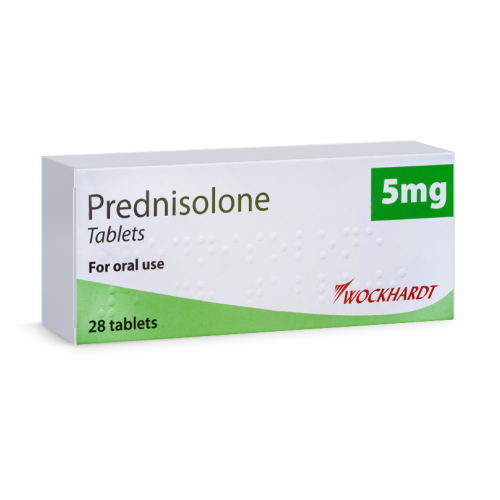
Can Prednisolone be purchased without a prescription in the United States?
No, Prednisolone cannot be purchased without a prescription in the United States. It is a prescription-only medication, regulated by the U.S. Food and Drug Administration (FDA). Pharmacies, including online pharmacies, are required by law to verify a valid prescription from a licensed healthcare provider before dispensing Prednisolone.
Key Takeaways: What you need to know about Prednisolone in the United States
- Prednisolone is available only with a doctor’s prescription in the U.S.
- This medication is most suitable for treating moderate to severe inflammation, allergic reactions, some autoimmune diseases, and certain acute conditions where rapid symptom control is required.
- Effects may be noticeable within hours, but full benefit often takes several days depending on the condition and dose.
- Sudden discontinuation can be dangerous; stopping Prednisolone should always be supervised by your healthcare provider.
- The most important safety concern is the risk of side effects, especially with long-term or high-dose use.
- Contact your doctor immediately if you experience vision changes, signs of infection, or severe mood changes while on Prednisolone.
How does Prednisolone work to control inflammation and immune responses?
Prednisolone is a synthetic glucocorticoid—part of the corticosteroid family—that works by binding to intracellular glucocorticoid receptors. Once inside the cell, it modulates the transcription of specific genes, ultimately suppressing the production and release of pro-inflammatory cytokines (like interleukin-1, interleukin-6, and TNF-alpha), prostaglandins, and leukotrienes. This downregulation leads to decreased migration of white blood cells, reduced capillary permeability, and less tissue swelling.
At the same time, Prednisolone upregulates anti-inflammatory proteins, helping to limit tissue damage. Its immunosuppressive effects are particularly important in autoimmune conditions, as it dampens an overactive immune response that could otherwise target the body’s own tissues.
Metaphor: Imagine the body’s inflammation as a fire. Prednisolone acts like an adjustable fire extinguisher, not just putting out visible flames but also preventing new sparks from igniting.
Prednisolone does not require any specific external conditions or triggers to work—it is active once absorbed and distributed in the body.
Understanding Realistic Expectations With Prednisolone Treatment
As a physician, I often find patients expect immediate and lasting relief from symptoms as soon as Prednisolone is started. However, while some signs of improvement like reduced swelling or easier breathing may occur quickly, other benefits—especially in chronic conditions—can take several days or longer. Many patients do not realize the importance of slow and careful tapering; abrupt discontinuation can cause serious withdrawal symptoms or disease flare-ups. Additionally, patients rarely ask about the long-term risks, such as bone thinning or blood sugar effects, and may overlook the need for regular monitoring. It’s crucial to understand that corticosteroids like Prednisolone control symptoms, but they rarely cure the underlying disease. Patients should be encouraged to ask about the plan for duration, side effect prevention, and how success will be measured throughout therapy.
How should I take Prednisolone? Dosage, schedules, and duration explained
Prednisolone dosing varies widely depending on the condition being treated, patient age, disease severity, and individual health factors. Always follow your doctor’s instructions and the prescription label. Below are general principles based on U.S. clinical guidelines and FDA-approved labeling:
- Typical starting dose for acute inflammation in adults: 5–60 mg per day, depending on disease severity and indication. Some conditions may require higher “pulse” doses.
- Children: Dosing is weight-based and must be determined by a pediatrician.
- Elderly patients: May require lower starting doses and slower titration due to increased risk of side effects.
- Maximum daily dose: Should not exceed 80 mg unless directed by a specialist for life-threatening conditions.
- Administration: Most tablets can be split, but always check the specific product’s labeling or ask your pharmacist. Take the dose once daily in the morning if possible, to mimic natural cortisol rhythm and reduce insomnia risk.
- Duration: Can be as short as 3–5 days for acute issues, but may extend to weeks or months for chronic diseases, always under supervised tapering.
- Do not stop Prednisolone suddenly unless a doctor instructs you to do so.
How does food, alcohol, and lifestyle affect Prednisolone absorption and safety?
- With food: Prednisolone may be taken with or after food to reduce stomach irritation. Fatty meals do not significantly delay absorption, though high-fat intake may slightly decrease peak plasma levels; this is not usually clinically significant.
- Alcohol: Moderate alcohol (1 drink/day) is not strictly contraindicated, but excessive intake increases the risk of gastrointestinal ulcers and liver toxicity. Avoid binge drinking.
- Grapefruit juice: Not known to cause significant interaction with Prednisolone, but always check with your pharmacist for updates.
- Other foods: No specific dietary restrictions, but a diet high in calcium and vitamin D may help offset bone loss.
Myth: “Steroids like Prednisolone work instantly and can be stopped as soon as you feel better.”
Reality: “While some symptoms improve rapidly, full effects may take days, and abrupt cessation can be dangerous.”
When should Prednisolone not be used? Contraindications and risk factors
Prednisolone must not be used in the following situations:
-
Absolute Contraindications:
- Systemic fungal infections (risk of uncontrolled spread).
- Known hypersensitivity to Prednisolone or any formulation ingredient.
- Live or attenuated vaccines during high-dose or long-term therapy.
-
Relative Contraindications (use with caution and under close supervision):
- Uncontrolled hypertension or heart failure (can worsen fluid retention and blood pressure).
- Diabetes mellitus (may increase blood sugar levels).
- Peptic ulcer disease or active gastrointestinal bleeding.
- Severe osteoporosis or history of bone fractures.
- Recent myocardial infarction (within 1 month; can increase risk of complications).
- Severe psychiatric disorders (can worsen mood or trigger psychosis).
- Chronic kidney or liver disease—dose adjustment and monitoring are required.
- Glaucoma or cataracts.
Always inform your doctor of all medications and health conditions before starting Prednisolone.
What side effects are most common with Prednisolone?
- Very common (>10%): Increased appetite, weight gain, insomnia, mood changes (irritability, anxiety), fluid retention, elevated blood sugar.
- Common (1–10%): Hypertension, muscle weakness, acne, delayed wound healing, increased risk of infection, stomach pain or indigestion, changes in skin (thinning, easy bruising).
- Rare (0.01–1%): Osteoporosis, glaucoma, cataracts, severe mood disturbances (depression, psychosis), menstrual irregularities, Cushingoid features (moon face, buffalo hump).
- Very rare (<0.01%): Severe allergic reactions, adrenal suppression (life-threatening if stopped suddenly), avascular necrosis of bone (especially hip), vision loss from central serous chorioretinopathy.
If you experience severe side effects such as vision changes, severe abdominal pain, black or tarry stools, confusion, or signs of infection (fever, chills, persistent sore throat), contact your doctor or seek emergency care immediately.
Compatibility Check: Can Prednisolone be combined with these products?
| Product Type | Can it be combined? | Consequences |
|---|---|---|
| NSAIDs (e.g., ibuprofen) | Caution | Increased risk of GI bleeding/ulcers |
| Vaccines (live) | Strictly NO | Risk of severe infection |
| Antidiabetic medications | Yes, with monitoring | May require dose adjustment |
| Warfarin (blood thinners) | Caution | Monitor INR closely |
| Alcohol | Limit | Increased risk of ulcers, liver strain |
Frequent mistakes to avoid when using Prednisolone: A clinician’s perspective
- Stopping the medication suddenly: Abrupt discontinuation, especially after more than two weeks of use, can cause adrenal crisis and flare-up of the underlying disease. Always taper gradually under physician guidance.
- Taking Prednisolone at inconsistent times: Irregular timing can disrupt your body’s cortisol rhythm, increasing insomnia and mood changes. Take your dose at the same time daily, ideally in the morning.
- Skipping doses or poor adherence: Missing doses reduces effectiveness and increases flare risk. Use reminders or a pillbox to stay on track.
- Ignoring infection risks: Prednisolone suppresses immunity. Patients often overlook minor symptoms of infection, which can rapidly worsen. Report fever, cough, or new pain promptly.
- Not monitoring blood sugar or blood pressure: Especially if you have diabetes or hypertension, regular monitoring is crucial as Prednisolone may raise both.
- Combining with over-the-counter NSAIDs without telling your doctor: This increases the risk of ulcers and bleeding; always consult your physician before combining medications.
How does Prednisolone compare to alternative therapies?
Prednisolone is one of several systemic corticosteroids available for inflammation and immune suppression. Here’s how it compares with its main competitors:
| Medication | Usual Onset Time | Duration of Action | Common Side Effects | Estimated Cost (USD, 2026) | Notes |
|---|---|---|---|---|---|
| Prednisolone | 2–4 hours | 12–36 hours | Insomnia, weight gain, mood changes | $0.40–$1.20/tablet (5mg) | Oral liquid and tablet forms available |
| Prednisone | 1–3 hours | 12–36 hours | Similar profile to Prednisolone | $0.35–$1.10/tablet (5mg) | Prodrug; requires liver activation |
| Methylprednisolone | 1–2 hours | 18–40 hours | Similar, with slightly higher risk of blood sugar changes | $1.00–$2.50/tablet (4mg) | IV form used for severe cases |
Technical characteristics and storage requirements for Prednisolone
| Available Strengths | 1mg, 5mg, 10mg, 20mg, 50mg tablets; oral solution (varies by brand) |
| Formulations | Tablets, oral liquid, eye drops, injectable (hospital only) |
| Storage | Store at room temperature (68–77°F) |
| Shelf Life | Typically 2–3 years; check expiry date on the package |
| Split Tablets Allowed? | Most can be split; confirm with pharmacist |
Step-by-step: How to get Prednisolone legally and safely in the United States
- Consultation: Schedule an appointment with your primary care physician or relevant specialist (e.g., allergist, rheumatologist, pulmonologist) in person or through a licensed telemedicine provider.
- Medical assessment: Your doctor will evaluate your symptoms, medical history, and previous treatments to determine if Prednisolone is appropriate and safe for you.
- Prescription issuance: If indicated, your doctor will send an electronic or paper prescription to your chosen pharmacy.
- Pharmacy fulfillment: Go to a local or accredited online pharmacy to have your prescription filled. Pharmacists will verify the prescription and may provide counseling on correct use.
- Follow-up: Your doctor may schedule follow-up visits or laboratory tests to monitor for side effects, response, and safety.
Questions Patients Most Often Ask doctor About Prednisolone
- How quickly will I notice improvement after starting Prednisolone?
- Some symptoms, such as reduced swelling or improved breathing, may begin to improve within a few hours. However, the full effect often takes 24–72 hours, depending on the underlying condition.
- Will I gain weight with Prednisolone?
- Weight gain is common, particularly with longer courses or higher doses. It is usually due to increased appetite and fluid retention. Eating a balanced diet and monitoring your weight can help mitigate this effect.
- Do I need to monitor my blood pressure or blood sugar while taking Prednisolone?
- Yes, especially if you have diabetes, pre-diabetes, or hypertension. Prednisolone can raise both blood pressure and blood sugar, so regular monitoring is advised, and you should report any significant changes to your doctor.
- Can I take Prednisolone if I have a minor cold or infection?
- Corticosteroids can suppress your immune system, so it’s important to notify your doctor of any infection before or during therapy. Your doctor will decide whether it is safe to continue or adjust the dose.
- What should I do if I miss a dose?
- Take the missed dose as soon as you remember, unless it’s almost time for your next dose. Do not double up. If you’re unsure, contact your doctor or pharmacist for guidance.
- How will my doctor decide when to stop Prednisolone?
- Your doctor will assess your response, side effects, and laboratory results. Tapering the dose gradually is generally necessary to prevent withdrawal symptoms and adrenal suppression.
- Are there alternative treatments if I cannot tolerate Prednisolone?
- Yes, depending on your underlying condition, options may include non-steroidal anti-inflammatory drugs (NSAIDs), disease-modifying antirheumatic drugs (DMARDs), or biologic agents. Your doctor will discuss the most appropriate alternatives based on your needs.
How is Prednisolone processed in the body? A look at pharmacokinetics
After oral administration, Prednisolone is rapidly absorbed in the gastrointestinal tract, reaching peak plasma concentrations within 1–2 hours. It is metabolized primarily in the liver via cytochrome P450 enzymes (mainly CYP3A4). About 70–90% of the drug is bound to plasma proteins.
Excretion occurs mainly via the kidneys, both as unchanged drug and inactive metabolites. The biological half-life is typically 2–4 hours, though anti-inflammatory effects can last up to 36 hours due to its action on gene transcription.
Patients with liver impairment may experience slower clearance, requiring dose adjustment. Renal impairment usually does not necessitate major changes, but close monitoring is recommended for all chronic disease patients.
Special considerations for unique patient groups
- Elderly: Increased risk of osteoporosis, delirium, and glucose intolerance—may require lower doses and more frequent monitoring.
- Children: Risk of growth suppression with long-term use—regular height and weight monitoring needed.
- Pregnancy: Use only if clearly needed; possible risk of fetal side effects, especially at higher doses or during first trimester.
- Breastfeeding: Prednisolone is excreted in breast milk, but short-term low doses are generally considered compatible; always consult your doctor.
- Driving and machinery: Prednisolone does not directly impair alertness, but high doses may cause mood changes or muscle weakness. Use caution if you notice these symptoms.
- Fertility and family planning: No evidence that Prednisolone impairs fertility at therapeutic doses, but prolonged use may affect menstrual cycles.
How can I tell if my Prednisolone is genuine? Quality check for patients in the United States
- Original brands and FDA-approved generics come in sealed, tamper-evident blister packs or bottles.
- Packaging should feature the manufacturer’s name, National Drug Code (NDC), batch number, expiration date, and dosing information.
- Tablets are typically white or off-white, round or oblong, and may have identifying marks or scoring. Avoid tablets that look crumbly, discolored, or have misspelled labeling.
- Many U.S. manufacturers are now adding QR codes or holograms for verification—scan these with a smartphone to cross-check on the manufacturer’s official site if available.
Tip: An unusually low price is often a red flag for counterfeits or substandard products.
If in doubt, ask your pharmacist to verify authenticity!
Original vs. generic Prednisolone: What’s the difference?
In the United States, the FDA requires generic Prednisolone products to demonstrate bioequivalence to the original brand. Generics may use different inactive ingredients (excipients)—such as binders, dyes, or fillers—which rarely cause allergic reactions but can in sensitive individuals. Both original and generic forms are held to the same standards of safety, quality, and efficacy.
- Advantages of generics: Lower cost, wide availability, and usually just as effective.
- When to consider brand-name: If you have a known allergy to a generic’s excipient, or if your doctor specifically advises it.
How do I recognize a legitimate online pharmacy in the United States?
- Look for .pharmacy domain or VIPPS accreditation: The National Association of Boards of Pharmacy (NABP) lists verified online pharmacies. Legitimate sites usually display a “VIPPS” or “.pharmacy” seal—click it to confirm it links to the official NABP listing (safe.pharmacy).
- Require a valid prescription: Any website offering Prednisolone without requiring a prescription is unsafe and illegal.
- Physical address and U.S. phone number: Trustworthy pharmacies provide clear contact information and are licensed in your state.
- Beware of red flags: Deeply discounted prices, unsolicited emails, absence of a licensed pharmacist for questions, or evasive customer service.
- Check with your state’s Board of Pharmacy: Verify licenses at your state’s official pharmacy board website.
Purchasing from unverified sources increases the risk of counterfeit, contaminated, or ineffective medication.
What should I do if I suspect overdose or severe reaction to Prednisolone?
- Stop taking the medication immediately.
- Call 911 or your local emergency number.
- Tell the emergency personnel the exact dose and time taken.
- Bring the medication packaging with you, if possible.
Symptoms of overdose may include confusion, muscle weakness, high blood pressure, severe swelling, or sudden mood changes. Early intervention can be life-saving.
Is it normal to feel stressed about needing Prednisolone for inflammation?
Absolutely. Many people feel anxious about taking corticosteroids because of their reputation or possible side effects. Remember that inflammation and immune disorders are common and manageable, and millions of Americans rely on medications like Prednisolone every year. If you are worried, consider discussing your feelings with your doctor, pharmacist, or a mental health professional. You are not alone, and support is available.
Clinical Assessment by doctor: Who benefits most from Prednisolone, and when should alternatives be considered?
In my clinical experience, Prednisolone remains the cornerstone for managing acute and many chronic inflammatory conditions that require rapid symptom control—such as severe asthma exacerbations, acute allergic reactions, and flares of autoimmune diseases like lupus or rheumatoid arthritis. Patients who benefit most are those with moderate to severe disease activity where the risks of untreated inflammation outweigh the medication risks. However, individuals with poorly controlled diabetes, active peptic ulcers, severe psychiatric history, or active infections may not be ideal candidates unless no safer alternative exists. For mild inflammatory conditions, non-steroidal anti-inflammatory drugs (NSAIDs) or topical agents may be preferable. I consider alternative or steroid-sparing therapies when treatment is expected to last more than a few weeks, when cumulative side effect burden becomes significant, or when patients have multiple risk factors for complications. Ongoing reassessment—balancing benefit with adverse effects—is essential to optimize therapy and minimize harm.
Frequently Asked Questions About Prednisolone in the United States
- Do I need a prescription for Prednisolone in the United States?
- Yes, Prednisolone is available only with a valid prescription from a licensed healthcare provider. Pharmacies cannot dispense it without a prescription.
- How much does Prednisolone cost in the U.S.?
- Generic Prednisolone costs typically range from $0.40 to $1.20 per 5mg tablet. Prices may vary by pharmacy and insurance coverage.
- Can I get Prednisolone delivered from an online pharmacy?
- Yes, but only from accredited U.S. pharmacies that require a prescription and are licensed in your state. Always verify the pharmacy’s credentials before ordering.
- What should I do if I miss a dose of Prednisolone?
- Take the missed dose as soon as you remember, unless it’s almost time for your next dose. Do not double the dose. Consistent dosing is important—contact your doctor if you miss multiple doses.
- How long can I safely take Prednisolone?
- Short courses (days to weeks) are generally safe for most people. Prolonged use requires regular monitoring for side effects such as bone loss, diabetes, or blood pressure changes. Never stop long-term therapy abruptly.
- Are there long-term risks with Prednisolone?
- Yes. Extended therapy increases the risk of osteoporosis, muscle weakness, adrenal suppression, infection, and eye problems. Your doctor may recommend supplements, lifestyle changes, or additional medications to minimize risks.
- Can Prednisolone be used during pregnancy?
- Prednisolone may be used if the benefits outweigh the risks, but it should only be prescribed by your obstetrician or specialist. It may carry some risk to the fetus, especially at higher doses or in early pregnancy.
- Do I need to adjust my diet while on Prednisolone?
- While there are no strict dietary restrictions, a balanced diet rich in calcium, vitamin D, and low in sodium can help reduce the risk of bone loss and fluid retention.
- Is there a difference between Prednisolone and Prednisone?
- Yes. Prednisone is a prodrug that is converted to Prednisolone in the liver. In most cases, they are clinically interchangeable, but Prednisolone may be preferred in patients with liver impairment.
References
- U.S. Food and Drug Administration (FDA). https://www.fda.gov/drugs
- Mayo Clinic. Prednisolone (oral route) description and precautions. https://www.mayoclinic.org/drugs-supplements/prednisolone-oral-route/description/drg-20075241
- National Institutes of Health (NIH) DailyMed. Prednisolone label. https://dailymed.nlm.nih.gov/dailymed/search.cfm?labeltype=all&query=prednisolone
- PubMed. Recent clinical trials on Prednisolone (2023–2024): https://pubmed.ncbi.nlm.nih.gov/?term=prednisolone&filter=years.2023-2024
- American College of Rheumatology: Glucocorticoid use in rheumatic diseases. https://www.rheumatology.org
- National Association of Boards of Pharmacy (NABP) – online pharmacy verification. https://safe.pharmacy