- Home/
- Buy Viagra at Low Price in the United States Online
Can Viagra Be Obtained Without a Prescription in the United States?
No, Viagra (sildenafil) is a prescription-only medication in the United States. It cannot be legally obtained without a valid prescription from a licensed healthcare provider. Unauthorized sources should be avoided due to risk of counterfeit or unsafe products.
Key Takeaways: What Patients Need to Know About Viagra in the United States
- Viagra is intended for adult men with erectile dysfunction (ED) and requires a prescription in the United States.
- Results usually occur within 30 to 60 minutes after taking the pill, provided sexual stimulation is present.
- The most important safety consideration is the risk of dangerous interactions with nitrates, which can cause a life-threatening drop in blood pressure.
- Consult your doctor before use, especially if you have cardiovascular, liver, or kidney conditions, or are taking other medications.
- Generic alternatives (sildenafil) are available and are usually less expensive but equally effective.
- Seek immediate medical attention for chest pain, vision changes, or an erection lasting longer than 4 hours.
How Does Viagra Work? The Science Behind Its Effect on Erectile Dysfunction
Viagra (active ingredient: sildenafil citrate) is classified as a phosphodiesterase type 5 (PDE5) inhibitor. It works at the molecular level by targeting the PDE5 enzyme, which is primarily found in the smooth muscle tissue of the corpus cavernosum in the penis. Normally, sexual stimulation leads to the release of nitric oxide (NO) in this tissue. Nitric oxide then triggers the production of cyclic guanosine monophosphate (cGMP), a messenger molecule that relaxes smooth muscle cells and causes blood vessels to dilate. This increased blood flow facilitates the achievement and maintenance of an erection.
PDE5 naturally degrades cGMP, effectively shortening the duration of an erection. By selectively inhibiting PDE5, Viagra allows cGMP to accumulate, promoting prolonged relaxation of the smooth muscle and sustained blood flow. Importantly, Viagra is not an aphrodisiac—it requires sexual arousal to initiate its effects.
Metaphor: Imagine cGMP as the “gas pedal” for an erection and PDE5 as the “brake.” Viagra takes the foot off the brake, but you still need to press the pedal for the engine to run.
Viagra’s action is restricted to the penis, but PDE5 is also found in other blood vessels, explaining some of its side effects.
Note: Viagra does not increase sexual desire, treat underlying causes of ED, or work in the absence of sexual stimulation.
When “It Didn’t Work”: Addressing Patient Misconceptions About Viagra Results
As a physician, one of the most common surprises for patients is that Viagra does not create an automatic erection. Many expect results without any sexual stimulation, but that’s not how the medication works—it simply makes it possible for physiological responses to occur if desire and arousal are present. I also find that patients often assume the first dose will offer a perfect experience, yet response can vary and sometimes adjustments are needed. Another misconception is that a higher dose always means better results, when in reality, more is not necessarily better and may increase the risk of side effects. Few patients realize that anxiety, relationship issues, or certain health conditions can still hinder effectiveness even while taking Viagra. I encourage patients to ask about these factors and to let me know if results aren’t as expected, so that we can work together on a comprehensive solution beyond just medication.
How to Take Viagra: Dosage, Timing, and Duration of Action
Standard regimen: The usual recommended starting dose for Viagra is 50 mg, taken orally approximately 1 hour before anticipated sexual activity. Based on effectiveness and tolerance, the dose may be increased to a maximum of 100 mg or decreased to 25 mg. Do not take more than one dose in a 24-hour period.
- Onset: 30–60 minutes after ingestion (can be delayed by food).
- Duration: Most men report effectiveness for up to 4–5 hours, but this can vary.
- Tablet splitting: Some formulations of Viagra can be split, but always check with your pharmacist, as not all products are scored or intended for division.
- Elderly patients (≥65 years): Begin with the lowest effective dose (usually 25 mg) due to increased sensitivity and potential for reduced clearance.
- Renal or hepatic impairment: Dose adjustments are often necessary—consult your doctor before use.
Important: Do not use Viagra more than once per day. Avoid using with other ED treatments unless specifically authorized by a healthcare provider.
How Does Food, Alcohol, and Lifestyle Affect Viagra?
- High-fat meals: Significantly delay absorption and onset of action by 30–60 minutes. For best results, take Viagra on an empty stomach or after a light meal.
- Alcohol: Moderate alcohol (up to 2 standard drinks) does not significantly interfere, but excessive consumption can worsen ED and increase risk of side effects such as dizziness or hypotension.
- Grapefruit juice: Should be avoided, as it can raise blood levels of sildenafil by inhibiting liver enzymes (CYP3A4), increasing side effect risk.
- Smoking: No direct interaction but may worsen underlying ED and vascular health.
Viagra Compatibility Checklist
| Product/Drug | Can Be Taken With Viagra? | Consequences |
|---|---|---|
| Nitrates (e.g., nitroglycerin) | STRICTLY NO | Life-threatening drop in blood pressure |
| Alpha-blockers (e.g., doxazosin) | Not recommended | Risk of symptomatic hypotension (dizziness, fainting) |
| Grapefruit juice | No | May increase side effects |
| Alcohol (moderate) | Yes, in moderation | May worsen dizziness or ED |
| Aspirin | Yes | No significant interaction |
| Other ED drugs (e.g., tadalafil) | No | Increased risk of adverse effects |
Who Should Not Take Viagra? Contraindications and Cautions
Not everyone is a candidate for Viagra. Contraindications fall into two main categories:
- Absolute contraindications (never use):
- Concurrent use of organic nitrates or nitric oxide donors (e.g., nitroglycerin, isosorbide dinitrate).
- Known hypersensitivity to sildenafil or any tablet component.
- Severe cardiovascular disorders (e.g., recent heart attack or stroke within the past 6 months, unstable angina, severe heart failure).
- Severe hypotension (<90/50 mmHg) or uncontrolled hypertension.
- Severe liver impairment.
- Retinitis pigmentosa (rare genetic eye disorder).
- Relative contraindications (use only with caution and doctor supervision):
- Significant renal impairment—dose adjustment required.
- Deformities of the penis (e.g., Peyronie’s disease).
- Bleeding disorders or active ulcers.
- Alpha-blocker therapy—may need to stagger dosing.
- History of non-arteritic anterior ischemic optic neuropathy (NAION).
After a heart attack or stroke: Viagra may be considered only after careful evaluation and stabilization, typically 6 months or more after the event, and only if cleared by a cardiologist.
Why these restrictions? The main concern is the risk of profound blood pressure drops or exacerbation of cardiac conditions due to increased vascular effects.
What Side Effects Are Most Common With Viagra?
Adverse effects with Viagra are generally dose-dependent and often mild to moderate. Categorized by frequency, the most important include:
- Very common (>1/10): Headache, flushing (face/neck), nasal congestion.
- Common (1/100 to 1/10): Indigestion (dyspepsia), dizziness, visual disturbances (bluish tint, blurred vision), back pain, muscle aches.
- Less common/rare (<1/1000): Rash, sudden hearing loss, sudden vision loss (NAION), priapism (prolonged erection >4 hours), arrhythmias, severe hypotension, allergic reactions.
Mechanism behind common side effects: Many are due to increased blood flow (e.g., flushing, headache) or the effects of PDE5 inhibition in tissues other than the penis (e.g., vision changes).
What should you do if side effects occur? Mild side effects such as headache or flushing often resolve on their own. If you experience chest pain, sudden vision changes, sudden hearing loss, or an erection lasting longer than 4 hours, seek immediate medical attention.
Myth vs. Reality: Myth: All side effects are dangerous and require stopping the medication immediately. Reality: Most side effects are mild and temporary, but certain symptoms (listed above) require urgent evaluation.
Common Mistakes That Reduce Viagra’s Effectiveness and Safety
- Taking Viagra with a large, fatty meal: This delays absorption and can make the effect less noticeable. Solution: Take on an empty stomach or after a light meal.
- Assuming Viagra works without sexual stimulation: Sexual arousal is essential for the medication to work. Solution: Plan sexual activity and communicate with your partner.
- Doubling up after a missed dose or inadequate effect: Taking more than one dose increases risk of side effects but does not improve results. Solution: Never exceed the prescribed dose.
- Mixing Viagra with nitrates or other ED drugs: This can cause life-threatening complications. Solution: Always inform your doctor about all medications you’re taking.
- Ignoring early or mild side effects: Some patients persist despite warning signs. Solution: Report any unusual symptoms to your doctor right away.
- Not considering the impact of alcohol: Excessive drinking can worsen ED and increase side effect risk. Solution: Limit alcohol intake when using Viagra.
- Purchasing from unreliable sources: Increases risk of counterfeit drugs and ineffective therapy. Solution: Use only licensed pharmacies and consult with your healthcare provider.
How Does Viagra Compare to Other Erectile Dysfunction Medications? (Competitor Analysis)
| Medication | Active Ingredient | Onset Speed | Duration | Common Side Effects | Average Cost per Tablet (USD) |
|---|---|---|---|---|---|
| Viagra | Sildenafil | 30–60 min | 4–5 hours | Headache, flushing, nasal congestion | $20–$80 (branded); $1–$10 (generic) |
| Cialis | Tadalafil | 30–45 min | Up to 36 hours | Back pain, muscle aches, indigestion | $50–$80 (branded); $2–$15 (generic) |
| Levitra | Vardenafil | 25–60 min | 4–6 hours | Headache, flushing, indigestion | $30–$70 (branded); $2–$10 (generic) |
Summary: Viagra offers fast onset and reliable duration but must be timed with meals and activity. Cialis has the longest duration, allowing more spontaneity, while Levitra has a similar profile to Viagra but may be preferred by some due to individual response or side effect profile. Generic versions of all three are available and more affordable.
Practical Information: Viagra Dosages, Formulations, Storage, and Product Characteristics
| Available strengths | 25 mg, 50 mg, 100 mg tablets |
| Usual onset of effect | 30–60 minutes |
| Duration of action | Up to 4–5 hours |
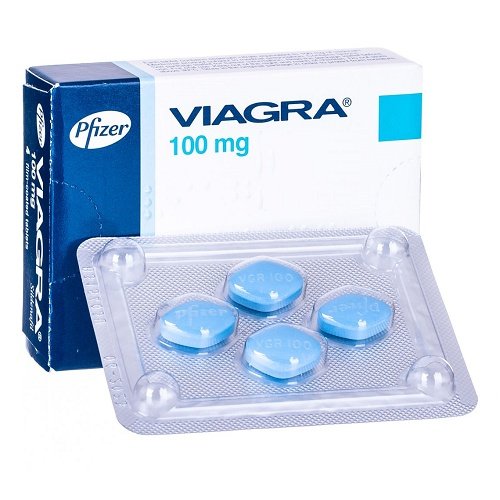
| Formulations | Film-coated tablet (blue, diamond-shaped, scored on one side) |
| Storage requirements | Room temperature (68–77°F/20–25°C), dry environment, original packaging |
| Administration | Oral, with water, 30–60 minutes before sexual activity |
Pharmacokinetics: How Is Viagra Metabolized and Eliminated?
Viagra is rapidly absorbed after oral administration, with peak plasma concentrations reached in about 60 minutes (range 30–120 minutes). Its bioavailability is about 40%.
- Metabolism: Primarily processed in the liver via the cytochrome P450 system, mainly CYP3A4 (with a minor contribution from CYP2C9).
- Elimination: Metabolites are excreted mainly in the feces (approximately 80%) and, to a lesser extent, in the urine (13%).
- Half-life (T1/2): About 3–5 hours, which explains both its duration of action and dosing interval.
Practical impact: Impaired liver or kidney function may significantly increase blood levels and the risk of adverse effects, so dose adjustment is needed in these populations.
Special Populations: What Should Patients With Chronic Conditions Know?
- Cardiovascular disease: Clearance with a healthcare provider is required, especially after recent cardiac events. Viagra may not be safe in unstable or severe heart conditions.
- Liver dysfunction: Reduction in dose is often necessary.
- Kidney dysfunction: Dose adjustment or increased interval may be required.
- Diabetes: No direct contraindication; many patients with diabetes benefit from Viagra, but underlying health must be assessed.
- Fertility and family planning: Viagra does not affect sperm count, quality, or fertility when used as directed.
- Driving and operating machinery: Rarely, Viagra may cause dizziness or vision disturbances. Use caution until you know how it affects you.
Step-by-Step: How to Obtain Viagra Safely in the United States
- Step 1: Schedule a Medical Consultation. You can make an appointment with your primary care physician, urologist, or seek an online telemedicine service licensed in your state.
- Step 2: Medical Assessment and Diagnosis. The doctor will discuss your symptoms, review your medical history, current medications, and may perform a physical exam or order tests to rule out underlying causes.
- Step 3: Prescription Issuance. If Viagra is appropriate, your doctor will provide a prescription, either as a physical script or sent electronically to your pharmacy.
- Step 4: Pharmacy Fulfillment. Take your prescription to a licensed pharmacy. If using a telemedicine provider, confirm they use an accredited pharmacy partner for dispensing and shipping.
- Step 5: Medication Counseling. The pharmacist should counsel you on correct use, interactions, and answer any questions before dispensing the medication.
- Step 6: Follow-Up. Schedule follow-up with your doctor to assess effectiveness, adjust the dose if needed, and monitor for any side effects.
Recognizing Safe Online Pharmacies in the United States: Pharmacy Safety Guide
Buying Viagra online can be convenient, but safety and legality must come first. In the United States, legitimate online pharmacies must be licensed and verified. The FDA regulates online medication sales, and the National Association of Boards of Pharmacy (NABP) offers the “VIPPS” (Verified Internet Pharmacy Practice Sites) seal for accredited online pharmacies.
- Signs of a legitimate pharmacy:
- Requires a valid prescription from a licensed doctor.
- Has a physical address and phone number in the United States.
- Displays state pharmacy license information and VIPPS accreditation.
- Offers pharmacist counseling and drug information.
- Does not sell controlled substances or prescription drugs without medical review.
- Warning signs of an unsafe seller:
- No prescription required or “online questionnaire only.”
- Unusually low prices far below average.
- No physical address or verifiable contact information.
- Websites with spelling errors, poor design, or foreign domains.
- Ships from abroad or offers products not approved by the FDA.
Why it matters: Counterfeit medications can be ineffective, contaminated, or dangerous, and may put your health at serious risk.
How to Spot Original Viagra, Generics, and Counterfeits: Quality Assurance and Security Tips
- Original Viagra: Manufactured by Pfizer; blue, diamond-shaped tablet with “Pfizer” on one side and “VGR” with dosage (e.g., VGR 50) on the other. Sold in blister packs with tamper-evident seals, lot numbers, and expiration dates. U.S. packaging often includes a QR code or hologram for authenticity verification.
- Generics (sildenafil): Produced by various FDA-approved manufacturers; may differ in color, shape, or packaging but must meet the same standards for effectiveness and safety.
- Counterfeits: May have misspelled brand names, poor-quality printing, unusual tablet color or shape, or missing safety features. If the price is too good to be true, it usually is.
Generics vs. Branded Viagra: Both contain the same active ingredient and work equally well for most patients. Generics may use different inactive ingredients (excipients), which rarely cause allergic reactions; consult your doctor if you have known allergies.
What Should You Do in Case of Viagra Overdose?
- Stop taking the medication immediately.
- Call 911 or your local emergency number for immediate medical attention.
- Inform emergency personnel of the exact dose and time taken.
- Do not attempt to self-treat or induce vomiting unless instructed by medical personnel.
Symptoms of overdose may include severe dizziness, fainting, prolonged erection, rapid heartbeat, or chest pain. Prompt medical intervention is critical.
Psychological Support: Managing Erectile Dysfunction Is Common—and Treatable
Erectile dysfunction is a frequent medical concern and nothing to be ashamed of. Many cases have psychological or relationship factors as well as medical ones. Discussing your concerns openly with your partner and your healthcare provider can help achieve better results and reduce anxiety. You’re not alone—help is available.
Physician Q&A: Clinical Questions Patients Ask About Viagra in Practice
- How will I know if Viagra is working for me?
You’ll likely notice a firmer and longer-lasting erection when sexually aroused. However, individual response can vary and it may take more than one attempt to find the optimal dose and timing. - Is it safe to use Viagra regularly?
In most cases, regular as-needed use is safe for otherwise healthy men, but ongoing monitoring is important to ensure your heart and overall health remain stable. - Can Viagra lose effectiveness over time?
Viagra does not typically cause tolerance or dependence, but changes in health or new medications may affect its performance. Let your doctor know about any changes. - How should I handle side effects if they occur?
Mild effects like headache or flushing are common and usually pass. For severe symptoms, such as vision loss or chest pain, stop using the medication and seek immediate care. - Is it necessary to try other ED treatments before Viagra?
Not always. If no contraindications exist, Viagra is often prescribed as a first-line therapy, but your doctor may discuss alternative treatments if appropriate based on your health. - How often should I follow up with my doctor?
An initial follow-up after starting Viagra is recommended to assess response and side effects. After that, periodic check-ins are helpful, especially if your health status changes. - Can I combine Viagra with lifestyle changes?
Absolutely—addressing factors such as weight, exercise, diet, and stress can improve both ED and overall health, possibly reducing your need for medication over time.
FAQ: Answers to Common Questions About Viagra in the United States
How effective is Viagra for erectile dysfunction?
Viagra is effective for most men with ED, with clinical trials showing improvement in 70–80% of cases. Effectiveness depends on underlying cause, presence of sexual stimulation, and proper use (FDA, PubMed).
How long does Viagra last?
The effects typically last for four to five hours, though this can vary by individual and dose.
Do I need a prescription to buy Viagra in the United States?
Yes, Viagra is legally available only by prescription from a licensed healthcare provider in the United States.
What are the most common side effects?
Headache, facial flushing, nasal congestion, and indigestion are most common. Side effects are usually mild and self-limited.
Can I take Viagra with other medications?
Certain medications, such as nitrates and some blood pressure drugs, can have dangerous interactions. Always tell your doctor about all medicines you are taking.
Is Viagra available in generic form?
Yes. Sildenafil, the active ingredient, is available as a lower-cost generic from multiple FDA-approved manufacturers.
How much does Viagra cost in the United States?
Prices vary widely: branded Viagra generally costs $20–$80 per tablet; generic sildenafil costs about $1–$10 per tablet.
Can women use Viagra?
Viagra is not approved for use in women for sexual dysfunction and has not been proven effective in clinical trials for this purpose.
How should Viagra be stored?
Store at room temperature, away from moisture and heat, in the original packaging.
What should I do if Viagra does not work for me?
Contact your doctor—dose adjustments, timing changes, or alternative therapies may be considered. Do not increase the dose without medical advice.
Professional Assessment by Physician: Who Benefits Most From Viagra, and When Is It Not the Best Choice?
In my clinical experience, Viagra is most beneficial for men with erectile dysfunction due to vascular, psychogenic, or mixed causes who are otherwise in good health or have stable, well-controlled chronic conditions. Men with clear contraindications—such as those taking nitrates or with recent serious cardiovascular events—should not use Viagra, as the risks outweigh the benefits. Those with significant hepatic or renal impairment also require extra caution and close supervision. In patients with complex medical histories, alternative therapies such as vacuum devices, intracavernosal injections, or even psychological counseling may be preferable. Ultimately, the choice of ED therapy should be individualized, taking into account not just medical eligibility but also patient preferences, relationship factors, cost considerations, and ease of use. I always emphasize the importance of regular follow-up to reassess health status and treatment effectiveness, as what is safe and effective today may change over time.
References
- U.S. Food and Drug Administration (FDA). Sildenafil (marketed as Viagra). Accessed 2026. https://www.fda.gov/
- National Institutes of Health, U.S. National Library of Medicine. Sildenafil: MedlinePlus Drug Information. Accessed 2026. https://medlineplus.gov/
- Mayo Clinic. Sildenafil (Oral Route). Accessed 2026. https://www.mayoclinic.org/
- PubMed. Sildenafil for erectile dysfunction: an updated meta-analysis. Accessed 2026. https://pubmed.ncbi.nlm.nih.gov/
- National Association of Boards of Pharmacy (NABP): VIPPS Pharmacy Accreditation. Accessed 2026. https://nabp.pharmacy/
- ClinicalTrials.gov. Sildenafil clinical studies. Accessed 2026. https://clinicaltrials.gov/