Kelly Dale Anderson Life Story and Identity Journey
Early Life and Birth Story of Kelly Dale Anderson
Kelly Dale Anderson was born in 1965 in Canada. Her birth is closely connected with a widely discussed adoption story that later became part of Canadian adoption history. She is the biological daughter of Canadian singer songwriter Joni Mitchell, although this fact remained hidden for many years of her life. Her early life begins with separation immediately after birth, which created a long emotional path of identity search and personal discovery.
Her birth story 1965 reflects a period when social expectations were very different. The situation of unwed mother 1960s society often placed strong pressure on young women, especially those connected to public life or artistic environments. This social environment played a major role in her adoption decision. Her mother, Joni Mitchell biography connection, was at the beginning of her music journey and was not in a position to raise a child publicly.
This early separation created the foundation of what later became known as a life of adopted child experience. Her biological identity remained unknown to her for many years. This silence around her origin shaped emotional questions that would later become central to her life story. The beginning of her journey is not just a birth record but also the starting point of an identity exploration that unfolded over decades.
Her early story is often discussed in terms of Canadian adoption case studies because it reflects both personal and social dimensions. It shows how adoption systems operated during that era and how children born under such circumstances often grew up without knowledge of biological roots.
Quick Bio of Kelly Dale Anderson:
| Category | Details |
|---|---|
| Full Name at Birth | Kelly Dale Anderson |
| Later Name | Kilauren Gibb |
| Birth Year | 1965 |
| Birth Place | Canada |
| Known For | Daughter of Joni Mitchell, adoption and identity story |
| Biological Mother | Joni Mitchell (Canadian singer songwriter) |
| Biological Father | Brad McMath |
| Adoptive Parents | David Gibb and Ida Gibb |
| Adoptive Family Name | Gibb family |
| Upbringing | Toronto Canada upbringing |
| Education | Bishop Strachan School, University of Toronto, Harvard courses |
| Early Life | early life adoption and closed adoption case background |
| Career | modeling career, fashion model, international modeling |
| Public Identity | private lifestyle with occasional media attention |
| Major Event | 1997 reunion with biological mother |
| Relationship Status | Married (private details not widely public) |
| Children | son Marlin and one daughter |
| Key Themes | identity discovery, adoption search, emotional reunion, family background |
| Known Life Phase | life after reunion and motherhood |
| Identity Journey | adopted identity change, identity crisis, personal identity reconstruction |
| Cultural Link | Joni Mitchell biography connection and celebrity child biography |
| National Identity | Canadian roots |
| Public Interest | celebrity adoption narrative and emotional family reunion story |
Adoption Background and New Identity
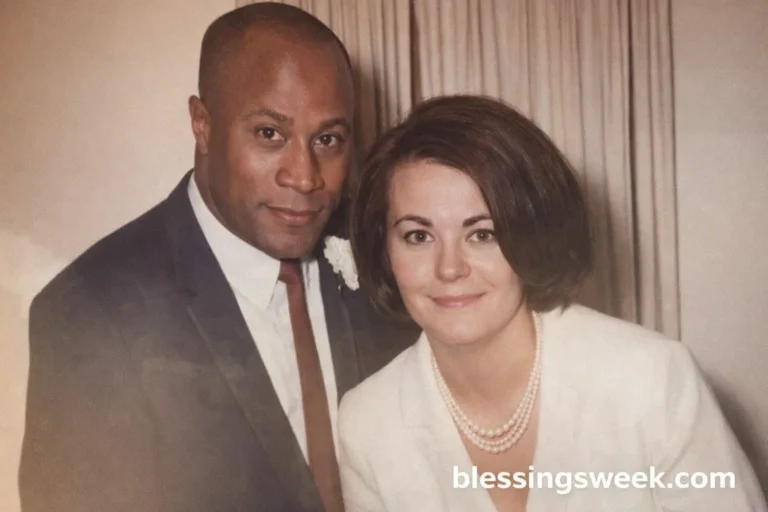
After her birth, Kelly Dale Anderson was placed for adoption and later became part of the Gibb family. She was adopted by David and Ida Gibb, who provided her with a stable and structured upbringing in Toronto Canada upbringing. After adoption, her name was changed to Kilauren Gibb, marking a full adopted identity change that separated her from her biological past.
Her adoptive parents raised her in a disciplined environment where education and personal development were given importance. The family provided emotional stability, but her biological background remained undisclosed during her childhood. This created a closed adoption case story situation where records and origins were not openly discussed.
During this phase, her childhood development was shaped by a normal Canadian family lifestyle. She attended school, formed friendships, and grew up with a sense of belonging within her adoptive household. However, underneath this stability, there was often an unspoken curiosity about her origin.
Her identity during this stage can be described as balanced externally but uncertain internally. Many adopted children experience similar emotional patterns where early life feels complete, but questions about biological roots remain in the background. This stage is important because it created the emotional foundation for her later adoption search.
Childhood and Education in Toronto
Kilauren Gibb spent her childhood in Toronto, where she was part of a well-structured educational environment. She attended Bishop Strachan School, an institution known for academic discipline and strong social development. Her education played a major role in shaping her personality traits, making her independent, thoughtful, and socially aware.
Later, she continued her academic journey at University of Toronto, where she was exposed to diverse cultural and intellectual experiences. Her studies helped her develop a broader understanding of identity and society. She also took Harvard courses, which added academic depth and international exposure to her educational background.
During this time, she lived a relatively private life within her adoptive family. Her exposure to her biological roots was minimal, and her daily life focused on education and personal growth. However, as she matured, she began to develop internal questions about identity and origin.
Her upbringing in Canada also gave her strong Canadian roots, even though her biological background was still unknown. This dual sense of identity later became a major part of her emotional journey. The contrast between her stable upbringing and unknown biological past created the beginning of deeper reflection about her personal story.
Early Identity Questions and Emotional Shift
As she entered adulthood, Kilauren Gibb began to experience growing curiosity about her biological background. This phase marked the beginning of adoption search efforts, although they were initially internal and emotional rather than formal.
She started questioning her origins and began thinking about search for biological parents. This emotional shift is common in individuals with closed adoption backgrounds, especially when there is limited access to biological information.
Her thoughts gradually moved toward identity and belonging themes, where she began reflecting on where she truly came from. This stage was not sudden but developed slowly over time as she matured and experienced different life situations.
Her emotional state during this period can be described as a combination of curiosity, uncertainty, and quiet determination. She did not immediately pursue answers, but the internal need for clarity continued to grow.
This phase also reflects adoption and identity exploration, where personal reflection becomes the first step toward understanding biological history. Her life during this time remained stable externally, but internally she was moving toward an important transformation.
Modeling Career and Public Image
Before her biological identity became publicly known, Kilauren Gibb developed a modeling career. She worked as a fashion model and participated in international modeling assignments. Her professional life gave her exposure to fashion industry environments and media interactions.
Her modeling industry career path included various opportunities that allowed her to travel and work in different markets. She maintained a polished public image while keeping her personal life private. This separation between public image and private lifestyle became an important aspect of her identity.
Despite her professional visibility, she did not publicly discuss her biological background during this period. Her life remained focused on career development, social interactions, and personal independence.
This stage of her life shows how individuals can maintain professional success while still carrying unresolved personal identity questions. Her modeling career also contributed to her confidence and independence, which later helped her navigate emotional challenges related to identity discovery.
Discovery of Biological Roots
The turning point in her life came when she began actively exploring her adoption records search. This process eventually led to the discovery of her biological identity. The search was emotionally significant and marked the beginning of a new phase in her life journey.
Her discovery was not immediate but developed through gradual investigation and emotional reflection. This stage represents a classic real mother discovery story, where individuals uncover biological connections after years of separation.
The emotional impact of this discovery was profound. It reshaped her understanding of identity and created a new perspective on her life history. This moment marked the beginning of identity reconstruction, where two separate life narratives began to merge.
Her journey during this stage is often discussed in adoption emotional impact studies because it highlights the psychological complexity of discovering biological roots later in life.
The 1997 Reunion with Joni Mitchell
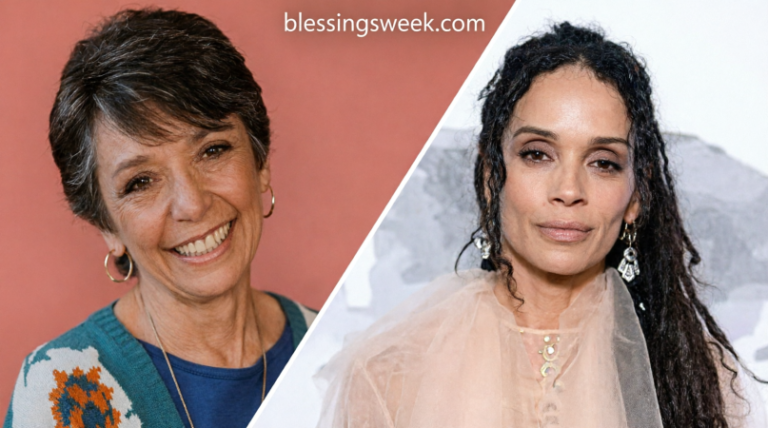
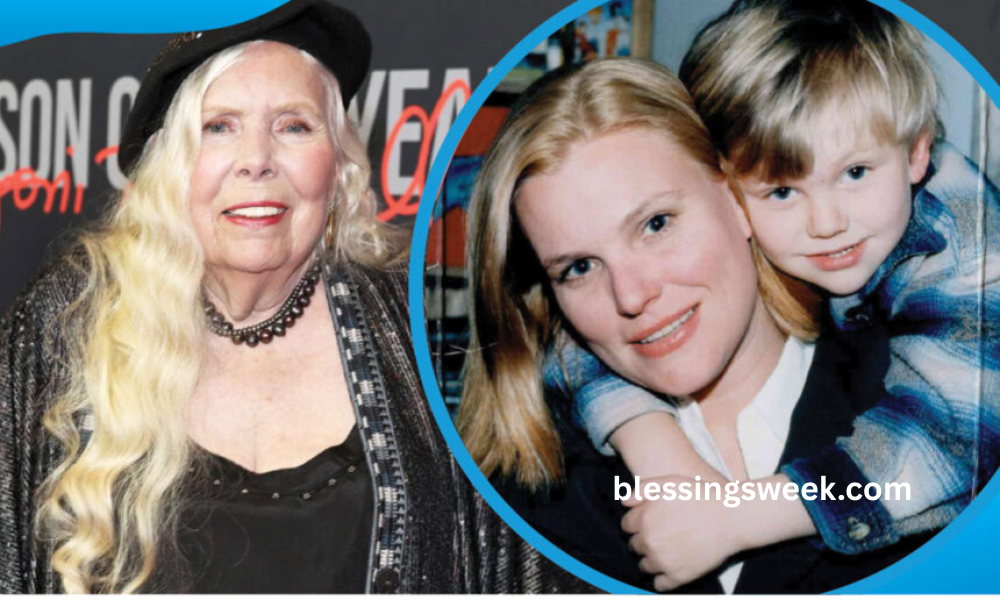
In 1997, Kilauren Gibb experienced a major life event when she reunited with her biological mother, Joni Mitchell. This moment is widely recognized as a significant mother daughter reunion story in celebrity history.
The reunion took place after decades of separation and was emotionally powerful for both individuals. It marked the end of long-term separation and the beginning of a new relationship.
This reunion became widely known as biological mother reunion 1997 reunion and attracted media attention due to Joni Mitchell’s global fame. However, both individuals handled the situation with emotional sensitivity and privacy.
The reunion represented not only a personal connection but also a symbolic completion of an identity journey. It showed how family separation and reunion can shape emotional identity across time.
Biological Father and Family Background
Her biological father is Brad McMath, although public information about him remains limited. His role in her early life is part of her broader family background, but less is known compared to her biological mother connection.
Her family relationships include both biological and adoptive sides, creating a complex emotional structure. She grew up with adoptive parents David and Ida Gibb while later reconnecting with her biological lineage.
This combination created a dual identity experience where both family systems influenced her life story. It reflects a common pattern in adoption narratives where identity is shaped by multiple family connections.
Life After Reunion and Personal Growth
After reconnecting with Joni Mitchell, Kilauren Gibb entered a new phase of life after reunion. She focused on personal stability, emotional balance, and motherhood.
She has two children, including son Marlin and a daughter. Her motherhood experience became an important part of her personal identity and emotional grounding.
During this phase, she maintained a private lifestyle while managing public interest in her story. She did not seek media attention and preferred a low-profile life.
Her post-reunion life reflects emotional healing and acceptance. It also shows how individuals can integrate complex identity histories into stable personal lives.
. Identity Transformation and Psychological Impact
Her life reflects a deep identity transformation journey. The discovery of biological roots and reunion with her mother created significant psychological changes.
She experienced emotional adjustment as she reconciled her adoptive identity with her biological identity. This process is often described as personal identity reconstruction.
Her experience includes emotional processing of adoption psychological impact, where questions of belonging, origin, and identity are gradually resolved.
Over time, she developed a more integrated sense of self, combining both parts of her life history into a unified identity.
Public Attention and Media Perspective
Following the reunion, media attention increased significantly. Her connection to Joni Mitchell made her story widely discussed in public spaces.
Despite this attention, she maintained strong boundaries between public image and private life. She avoided overexposure and focused on personal priorities.
Her story became a well-known biographical human interest story that reflects both celebrity culture and personal identity themes.
Net Worth and Professional Overview
Her net worth estimation is not publicly confirmed. She is not primarily known for financial achievements but for her modeling career and biography.
Her professional life includes modeling assignments and private engagements. She did not pursue a highly public commercial career after her reunion.
Emotional Themes and Life Reflection
Her life reflects deep emotional themes including identity, belonging, separation, and reunion. These themes are central to adoption narratives.
Her experience represents emotional adoption journey and biological roots discovery combined with personal growth.
She is often referenced in discussions about adoption history Canada and identity exploration.
Legacy and Cultural Importance
The story of Kelly Dale Anderson remains important in understanding adoption and identity formation. It highlights how early separation can influence lifelong emotional development.
Her biography is often used as an example of celebrity adoption narrative and identity transformation journey.
Conclusion
The life of Kelly Dale Anderson represents a powerful journey of identity, family, and emotional discovery. From her birth in 1965 to her reunion with Joni Mitchell, her story reflects complex emotional development and personal transformation.
Her life shows how identity can evolve over time and how biological roots discovery can reshape personal understanding. Her experience continues to hold relevance in discussions about adoption, identity, and family connection.
FAQs
1. Who is Kelly Dale Anderson?
She is the biological daughter of Joni Mitchell, later known as Kilauren Gibb after adoption.
2. What is her connection to Joni Mitchell?
She is Joni Mitchell’s daughter who was placed for adoption and reunited in 1997.
3. Who raised Kelly Dale Anderson?
She was raised by David and Ida Gibb in Toronto, Canada.
4. What is Kilauren Gibb known for?
She is known for her modeling career and her adoption and reunion story.
5. Why is her story important?
Her story highlights identity discovery, adoption emotional impact, and family reunion after decades of separation.